Getting to Vík
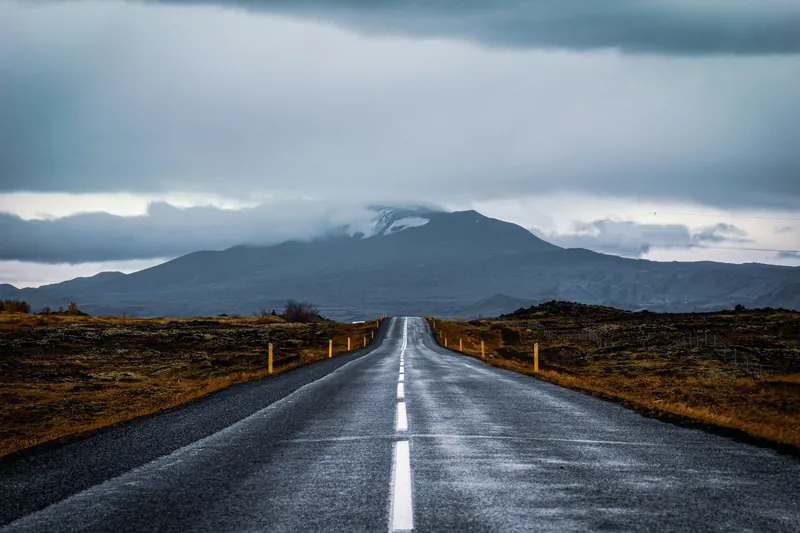
Vík sits on Route 1, the Ring Road, about 180 to 190 km east of Reykjavík. By car that is roughly two and a half hours without stops, on paved road the whole way. Buses run, but only a few times a week.
Visit South Iceland describes Vík as the southernmost village in Iceland and the only seaside village in the country without a harbour. That rules out arriving by boat, and there are no scheduled flights to the village either. Nearly everyone arrives by road along Route 1, either from Reykjavík and the international airport at Keflavík in the west, or from the east after driving round the island. Once you are here, the village itself is small enough to walk, but the glacier, the beaches and the waterfalls around it are spread along more than 30 km of coast.
By car from Reykjavík
The drive from Reykjavík is roughly 180 to 190 km, and the sources differ. The Skógar Museum puts itself 150 km from Reykjavík and 30 km from Vík, the Perlan museum gives 187 km, and the shuttle operator at the plane wreck places its car park, 27 km short of Vík, about 164 km from Reykjavík. Perlan puts the time at about two and a half hours without stops. Route 1 is paved all the way, through Selfoss, Hella and Hvolsvöllur and then past Skógar. The drive is easy to break up, because several of the best-known stops of the south coast lie right on the road. The car park for the DC-3 plane wreck is 27 km before Vík, the turn-off for the glacier Sólheimajökull about 3 km before that, and Skógafoss a further 6 km west. Our page on Sólheimajökull and the plane wreck has the details for those stops.
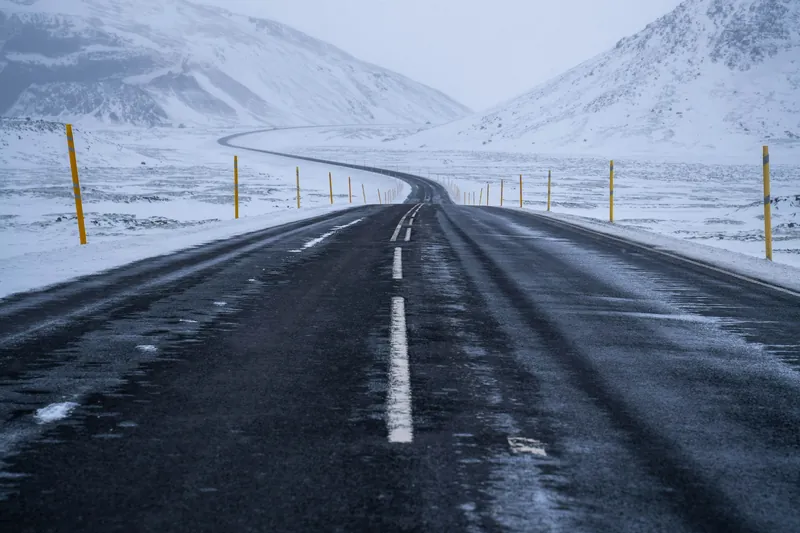
Before you set off, especially between October and April, check the road conditions. Vegagerðin, the road administration, publishes them on umferdin.is and answers questions about road conditions by phone on 1777. Safetravel, run by the search and rescue association ICE-SAR, posts weather warnings and lets you leave a travel plan.
By public bus
Iceland's rural buses are owned and operated by Vegagerðin, and their news and timetables appear on straeto.is. Since 1 January 2026, route 52 between Reykjavík and Höfn has operated four times a week, on Tuesdays, Thursdays, Fridays and Sundays, and Vegagerðin kept it unchanged for autumn 2026. Strætó's announcement also mentions a bus running from Höfn to Vík and back. Look up the current timetable on straeto.is to confirm the stop in Vík and the departure times. Ticket sales through the old Strætó app ended on 1 July 2026, so check how to pay before you board.
With so few departures, the bus works for getting to Vík and staying a few days, less well for day trips. Many tours in the area meet in the village or at a base camp nearby, so you can manage without a car once you are here, as long as you pick tours that start in Vík. The getting around page lists where they meet.
The summer bus to Skógar
From 13 June to 20 September 2026, the Highland Bus runs from the BSÍ terminal in Reykjavík to Skógar, leaving at 7:00 and arriving at 9:45. The return leaves Skógar at 10:15 and reaches BSÍ at 19:30 after a stop in Hvolsvöllur. It does not go on to Vík, but it is the way in for hikers starting the Fimmvörðuháls trail; see our page on Skógafoss and Skógar. A separate summer route serves Þórsmörk from 1 June.
Tours with transport from Reykjavík
Some of the ice cave and glacier tours that meet in Vík or at Sólheimajökull sell an option with transport from Reykjavík. It turns a three- or four-hour tour into a day of twelve to thirteen and a half hours, most of it on the bus. If your time allows, staying a night near Vík lets you do the same tour without the long drive and leaves daylight for the beaches. The options are on our ice cave and glacier hiking pages.
On arrival
Vík has restaurants, supermarkets, public toilets and petrol stations, so you can stock up here before heading further east or back west. Parking at Dyrhólaey is paid, and Visit South Iceland recommends the PARKA app for it; other car parks on the coast may charge too.
If you plan to ride, leave your used riding gear at home. The food and veterinary authority MAST bans the import of used saddles, bridles, whips and riding gloves, and used riding clothes and boots must be machine-washed or dry-cleaned before you travel. The riding tour from the stable in Vík includes a helmet; more on the horse riding page.
Questions travellers ask
How long is the drive from Reykjavík to Vík?
About two and a half hours without stops for roughly 180 to 190 km on Route 1. Skógafoss, Sólheimajökull and the plane wreck all lie on the way, so plan extra time if you stop.
Is there a bus from Reykjavík to Vík?
Rural route 52 between Reykjavík and Höfn runs four days a week, on Tuesdays, Thursdays, Fridays and Sundays. Check the current timetable on straeto.is for the stop in Vík and the departure times before you plan around it.
Can I reach Vík by ferry or boat?
No. Vík is the only seaside village in Iceland without a harbour, so there are no boat connections. The nearest ferry links on the south coast go to the Westman Islands from Landeyjahöfn.
Is the road to Vík open in winter?
Route 1 is the main road along the coast and is paved, but winter weather can make it slow or difficult at times. Look at umferdin.is or call 1777, the road information line, before you drive.
Can I do an ice cave tour as a day trip from Reykjavík?
Some of the tours that meet in Vík also sell an option with transport from Reykjavík, which turns a three-hour tour into a day of about twelve hours. Spending a night near Vík leaves more time on the coast.
Where these facts come from
Dates, opening hours and rules change. We checked these pages in October 2026; the official source has the final word.
- Perlan: Vík, Iceland
- Visit South Iceland: Katla Geopark and Vestmannaeyjar, towns
- Strætó: Changed route system in the countryside
- Vegagerðin: Adjustments in rural bus service operations
- Skógasafn: Skógar Museum (location)
- Icelandia: Highland Bus
- Icelandia: Plane Wreck Shuttle (location of the car park)
- Vegagerðin: Traffic service 1777
- Umferdin: road conditions
- Visit South Iceland: Visiting Dyrhólaey
- Safetravel (ICE-SAR)
- MAST: Import of riding equipment
- Tour pages on GetYourGuide and Viator, checked 23 October 2026